Discover science
10 most impressive findings in 2010
Recently, the famous National Geographic magazine voted the most impressive scientific findings in 2010.
Browse ScienceInfo articles and explainers related to Dead Sea.
46 published items.
Recently, the famous National Geographic magazine voted the most impressive scientific findings in 2010.
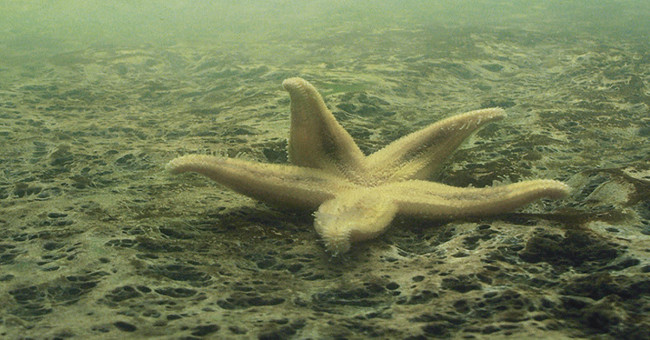
Sea creatures want to survive not only need water, but also have enough oxygen in the water. So in the oceans, there are areas of oxygen density that are just round numb…
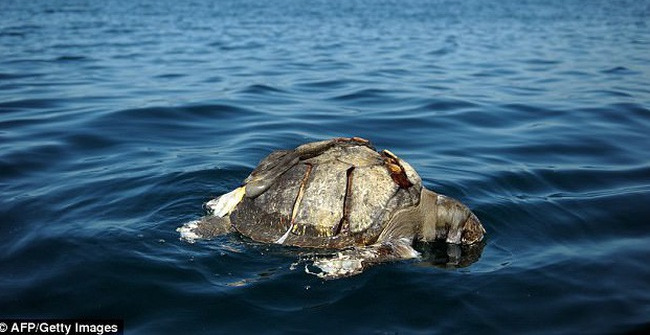
It was found that nearly 400 sea turtles floated on the Pacific Ocean. The reason has not been clarified, but there has been a hypothesis given.
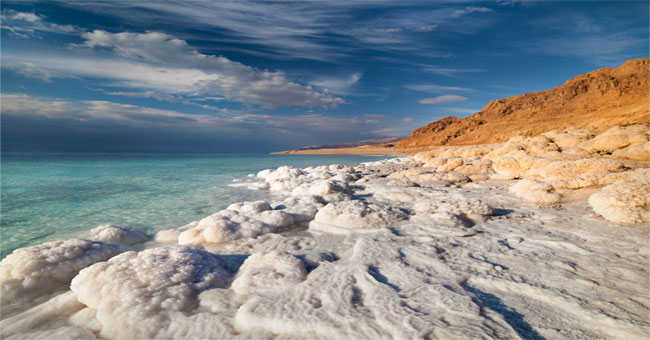
The Dead Sea lies in a low desert, with a faster evaporation rate than water in the ocean, making the lake saltier than seawater because of its higher salt concentration.
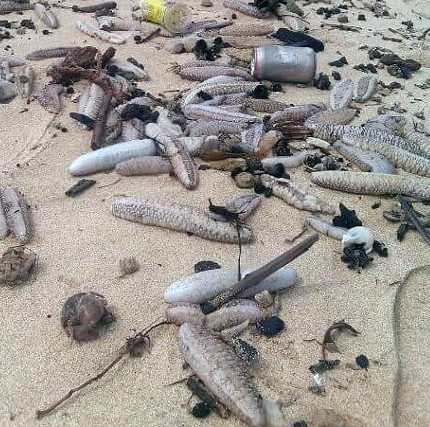
Thousands of sea cucumbers drifted to the coast, causing many people to worry, what is going on at the bottom of the sea? Why is this phenomenon?

A historic agreement has been signed to help the Dead Sea not die by a 180km pipeline system that transfers water from the Red Sea into the Dead Sea.
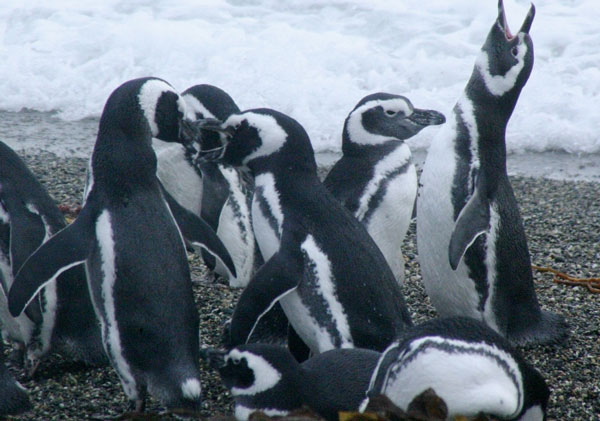
The Brazilian Coast and Oceanic Center (CECLIMAR) announces that veterinarians are investigating the cause of 512 Magellenic penguins dying on the coast between Tramanda…

The conclusion of a group of US and Swedish scientists shows that dead sea areas - where aquatic species cannot survive due to lack of oxygen - are continuing to expand.
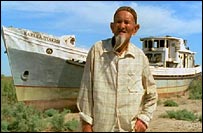
The Kazakhstan government has secured a multi-million dollar loan from the World Bank to save the Aral Sea - the worst man-made environmental disaster in history. The mo…

The vertebrae found in an ancient water tank system led archaeologists to the ruins of the massacre more than 2,000 years ago.
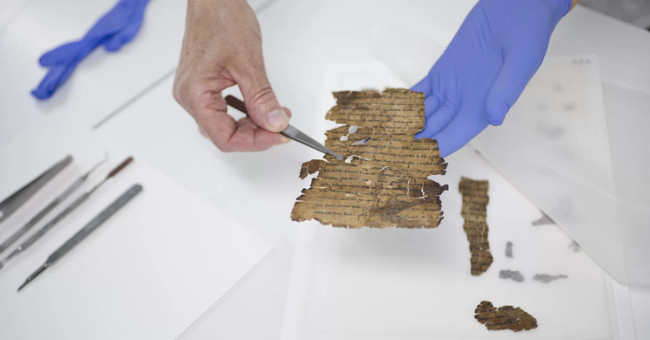
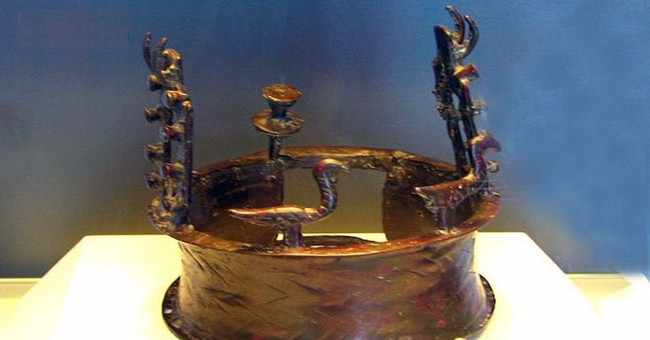
Recently, the crown was chosen by New York University (USA) to study the ancient world. It was originally displayed in Israel as a bronze artifact.
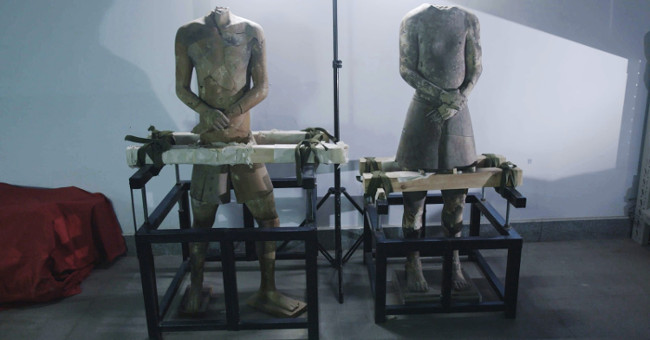
New archaeological findings can change history. This article lists important archaeological findings in 2017 summarized by the Live Science website.
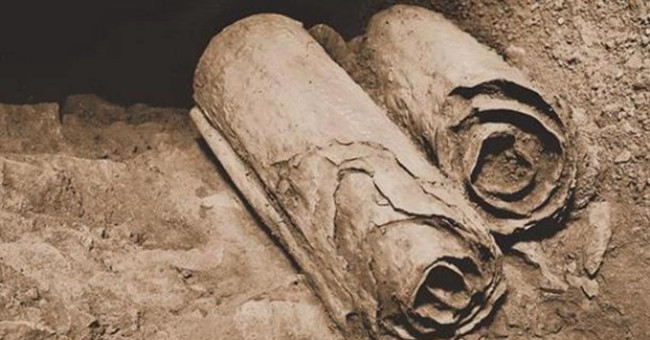
The Israeli Antiquities Agency launched a large-scale archaeological excavation in the cave cluster in the desert of Judea in search of the final Dead Sea scrolls.

On July 20, the Israeli Archaeological Agency (IAA) said advanced digital technology helped scientists first read a 1,500-year-old bible book.